
Sierra Foothills, somewhere in Northern California, roughly two hours from the Bay Area and two hours from Reno, Nevada, between Loomis and Colfax, there’s a stretch of space and time that sits with quiet confidence.
You’ve likely passed through—on your way to alpine ski slopes or mountain bike trails.
What you may be missing is what happens in between.
The trees begin to change. Fences stretch wide rather than high—not for privacy, but to hold space between farm animals and the wild. Vineyards, orchards, a handwritten sign for eggs at the edge of a backroad driveway.
Continue east and the road begins to lift, almost imperceptibly.
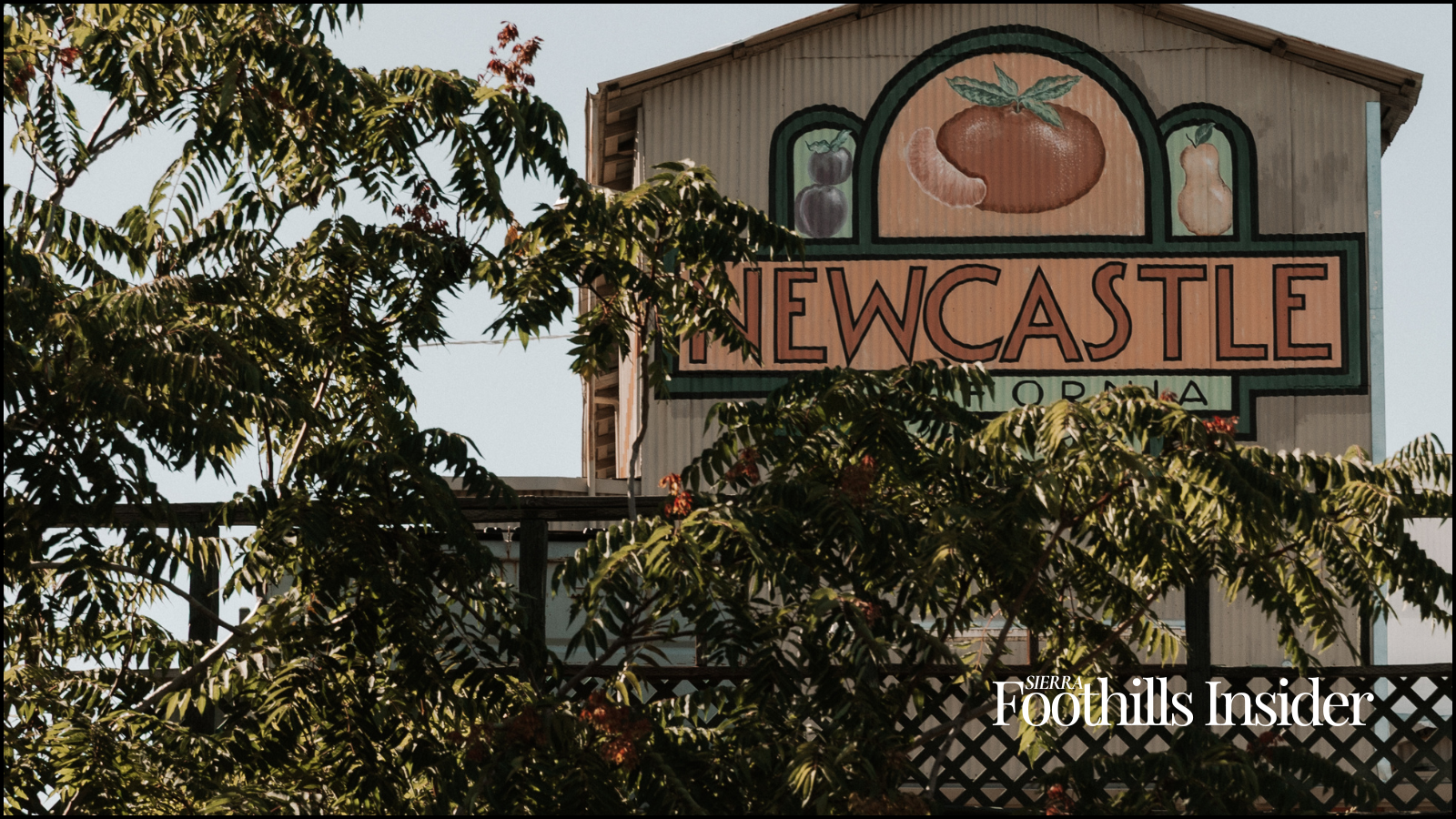
Newcastle, then Auburn.
The air cools. The light shifts. Ponderosa, gray, and sugar pine remind you—you’ve changed your address. You’re no longer in a hurry. You’ve arrived—not to the dramatic edge of the Sierra Nevada peaks, but to the quieter beginning of it.
The Sierra foothills, where the land folds into something more deliberate.
The history here isn’t staged. The Nisenan people lived in rhythm with the land—hunting, gathering, shaping it. Then word traveled, and westward migration fed a growing hunger—the dream of gold.
Auburn carries that past without ego. Brick storefronts. Worn wood. Buildings put up quickly and never taken down. There’s a steadiness to it. Families move through the same streets as those who arrived long ago and chose to stay.
Beyond town, the land continues to work.
Orchards adapt quietly—citrus, stone fruit, berries, olives. Vintners shape warm-weather grapes—Zinfandel, Syrah, Barbera, Petite Sirah.
Farms operate on trust—produce left out, payment expected but not enforced. It’s not a novelty. It’s simply how things are done on the backroads, often supported by networks like @liveplacergrown that connect land, makers, and community.
In recent years, more of this work has come under the direction of women. Not as a statement—just a shift you notice if you’re paying attention.
Farmers, vintners, makers—patient, capable, and rarely inclined to say much about it. The year 2026 marks the International Year of the Woman Farmer—an acknowledgment of the women shaping agrifood systems, and the constraints they continue to work through.
The food follows the same pattern.
Smaller dining rooms. Menus that change because they must. Ingredients that don’t travel far.
A plate of something just right and served just at the right time of day. A glass of wine poured from the hands that grew it along @placerwine. In Old Town Auburn, @restaurantjosephineauburn remains a quiet, refined expression of local pride with recent recognition at James Beard semifinalists.
The outdoors feel a little wild. A little rugged.
The American River moves with authority—slow in places, insistent in others. Three forks—the North, Middle, and South—flow from the Sierra into Folsom Lake.
In spring, snowmelt brings cold, fast water. Whitewater known internationally, though rarely spoken of that way. Later, the pace softens. Paddleboards drift. Kayaks trace the edges. Someone is always fishing.
Trails run in every direction.
Some short and unplanned. Others built for endurance—long races that begin before sunrise and end without ceremony. Athletes gather here not for recognition, but for respect—for the sport, the land, the experience.
What holds it together is less the landscape and more the robust rhythm of life within it. There is always something happening, though rarely in a way that feels crowded. Markets. county fairs, @auburnsymphony performances.
You begin to recognize people—at a tasting bar, across a patio farm table, meandering galleries and studios for something unique along the @placerartiststour.
From the outside, it’s closer than it feels. San Francisco, Sacramento, Reno—all within reach. Close enough for a drive, far enough to feel removed.
People come for that.
Small groups. Families. Teams that need distance from routine. Travelers who meant to pass through and didn’t. It works because nothing is over-explained. You’re left to find your own pace.
There’s a tendency, when writing about place, to persuade. Not here. The Sierra foothills do not require persuasion. They reward those who stay long enough to understand how to experience pocket moments in time.
Then, you will only need to make space for adventure, building lasting memories, and an open calendar with dates for a return.
Somewhere between Loomis and Colfax.